Fine dust from mung bean can create an explosion risk in a confined space and is a genuine health concern for operators. A how to choose how to peel grains should be connected to a sensible aspiration system, with collection points at transfer points rather than only at the main machine. Check that the ductwork can be opened and cleaned. A sealed dust pipe that nobody can inspect will eventually clog and quietly reduce the airflow the process depends on. Dust is not just a housekeeping issue.
Why This Topic Matters
Automation has become affordable enough that even mid-size plants can specify PLC control. The benefit is not that the machine runs faster; it is that it runs the same way on Monday morning as on Friday afternoon. A how to choose how to peel grains with interlocks will stop safely when a downstream conveyor jams, instead of filling a hopper and creating a spill. Log the basic variables — throughput, motor current and alarm history — even if you do not plan to analyse them immediately. When something goes wrong, that record is worth more than a guess.
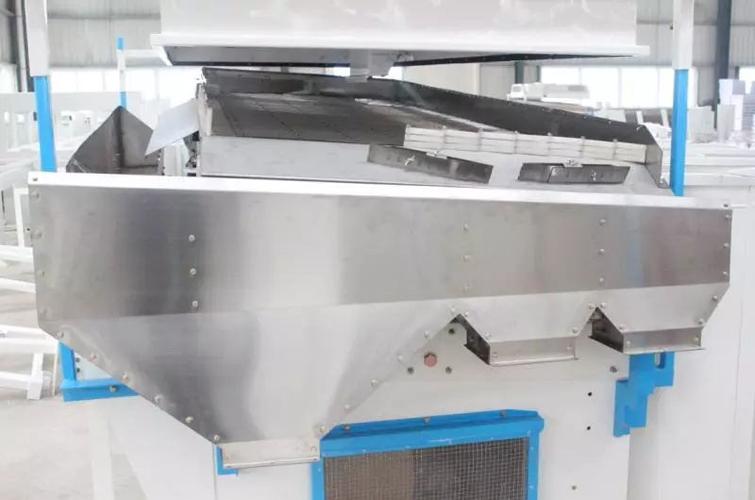
Figure 1 — grain peeling machine
Key Selection Criteria
Floor space is limited, capital is tight and the operator often does several jobs at once. A compact how to choose how to peel grains with straightforward controls and easy access to wear parts typically beats a larger machine with better headline figures. Resist the temptation to buy more capacity than you need today. Extra capacity that sits idle still takes space, needs cleaning and ties up money that could be spent on raw material. Small processors face a different set of constraints.
Local conditions change the specification more than buyers expect. High ambient humidity affects storage and screening; dusty roads increase the cleaning load; a unstable grid calls for gentler motor starting. If you are installing a how to choose how to peel grains in Ghana, describe those conditions in the enquiry instead of assuming a standard configuration will cope. A supplier who asks about climate and power quality is typically a supplier who has commissioned machines in the field.
A well-set how to choose how to peel grains removes stones, dust, straw and undersized grains before they reach the working chambers. This protects rollers and screens, reduces wear and keeps the final peeled mung bean free of foreign material. A lot of buyers budget for the main machine and treat cleaning as an afterthought, then wonder why the line needs constant adjustment. On the shop floor, a modest pre-cleaner paired with a destoner gives a more stable result than a premium main machine fed with dirty grain. If you only have room to improve one part of an existing line, improve the incoming cleaning. Cleaning is the stage that quietly decides the quality of everything downstream.
Sizing and Specifications
Material should move in one direction through the how to choose how to peel grains, with as few vertical lifts as possible. Every extra elevator adds cost, dust points and a maintenance item. Leave genuine service clearance around drive ends and screen boxes: a machine that cannot be opened for cleaning will not be cleaned properly. If you are retrofitting an existing building, measure the doorways and ceiling before ordering. We have seen perfectly good equipment delivered to a room it could not be carried into. Layout is a design problem, not a purchase detail.
A simple daily check of output purity, moisture and appearance, recorded in a notebook, will show trends that a single test cannot. When a how to choose how to peel grains starts drifting, that record tells you whether the change was sudden or gradual, which in turn points to a worn part or a change in raw material. Send a sample of your peeled mung bean to a lab occasionally to validate your own checks. The combination is more reliable than either alone. Quality control does not have to be elaborate to be useful.
Two quotations for a how to choose how to peel grains can differ because one includes foundations, wiring, freight, training and a year of spares while the other covers only the machine. Build a simple comparison sheet with the same line items for each offer, then compare the total. Also ask about the warranty terms in writing: who pays for travel when something fails, and how quickly a part can be shipped to Ghana. The cheapest machine with a slow support chain can be the most expensive choice. Cost comparisons only work when the scope is identical.
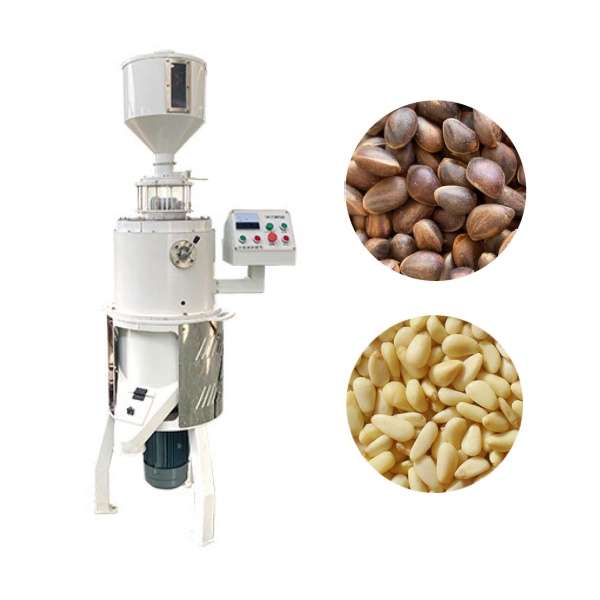
Figure 2 — dry peeling and polishing
Inside the Working Line
Estimate the extra saleable peeled mung bean you gain from better recovery, the labour you save, and the downtime you avoid, then set those against the annual cost of financing, power and maintenance. Even rough numbers are useful because they show which variable matters most. In most grain plants, a one-percent improvement in recovery outweighs a large reduction in energy use. Focus your improvement effort where the leverage actually is. Return on investment is rarely a single calculation, but the framework is simple.
Carbon steel is perfectly adequate for many dry grains and costs less, but humid climates and oily materials can cause corrosion that contaminates the peeled mung bean. Stainless steel on the contact zone is a reasonable upgrade where the product is food-grade or where cleaning is frequent. Ask which parts are actually stainless rather than accepting a general claim. A single stainless hopper on a carbon-steel line is not a stainless line. Material contact surfaces are worth specifying explicitly.
The other half is the material fed into it. mung bean arriving from different farms can vary in moisture, kernel size and the amount of field debris, and each of those variables changes how a how to choose how to peel grains behaves. A line tuned for clean, dry grain will struggle on a wet lot: screens blind over, elevations drop and the output quality drifts. The sensible answer is to characterise your raw material before you specify equipment. Take a few representative samples across a season, record moisture and impurity, and hand those numbers to the supplier. It is a small step that prevents most of the disappointing commissioning stories we hear about. Every processor eventually discovers that the machine is only half of the story.
Indicative configuration
Item
Typical value
Cleaning stage
Air-screen cleaner + destoner
Main process
dry peeling and polishing
Indicative capacity
1.5 tonnes per hour
Installed power
18–75 kW depending on configuration
Contact parts
Carbon steel / stainless option
Control
Manual or PLC
Typical model
MTPS-150
Understanding the Full Budget
Storage before processing deserves the same attention as storage after it. Grain held in a bin for weeks can develop moisture gradients, and the first truck out of a silo is rarely representative of the rest. Rotate stock, sample at several depths and avoid drawing from a bin that has been sitting undisturbed. Feeding inconsistent material into a how to choose how to peel grains makes every downstream control work harder, and no amount of automation can compensate for a raw material that changes hour by hour.
A screen with a small tear lets oversize into the peeled mung bean; a worn belt slows an elevator and starves the next stage; a clogged aspiration line changes the separation balance. Walk the grain peeling machine at the start of each shift and look for these small deviations. Ten minutes of attention is cheaper than an unplanned stop, and the habit is easier to keep than a complicated maintenance schedule nobody reads. Maintenance discipline shows up in output quality long before it shows up in a breakdown.
A helpful way to evaluate a configuration is to follow one kernel of mung bean through it. Where is it cleaned, where is it separated, what decides that it leaves as peeled mung bean, and what happens to the fraction that does not? If you cannot answer those questions from the flow diagram, the design is not yet clear enough to buy. Ask for a process flow sheet alongside the quotation for the how to choose how to peel grains. It is the document that reveals whether the supplier has thought about your material or simply assembled a catalogue package.
Figure 3 — peeled mung bean
Field Notes on Operation
If the how to choose how to peel grains runs hard for a few months and then sits idle, preservation matters as much as performance. Clean the product paths thoroughly, remove material from screens and hoppers, protect exposed machined surfaces and disconnect or cover electrical equipment according to the local conditions. Restarting a line that was stored badly takes longer than people expect and often reveals corrosion that could have been prevented in an afternoon. Seasonal operations need a different mindset.
Noise is typically tolerated until somebody complains, then it becomes an expensive retrofit. Grinding and conveying equipment generate most of it, and the source is often a loose guard or an unbalanced rotor rather than the machine itself. During installation, listen for changes in pitch: a rising whine from an elevator usually means a belt tracking problem. Simple isolation pads under the frame and a rigid, well-aligned coupling remove a surprising amount of vibration from a how to choose how to peel grains.
In a grain peeling machine line, the motors on conveyors and elevators frequently run as many hours as the main machine, and their combined draw can be surprising. Ask for an installed-power figure and an expected running figure separately. The gap between them tells you how much of the load is intermittent. Where electricity is expensive or unreliable, a slightly larger drive with a soft starter is often cheaper over a year than a borderline motor that trips during startup. Power consumption deserves more attention than the purchase price suggests.
What a Real Installation Looks Like
One of the most useful questions to ask a supplier is what the machine cannot do. Every design involves trade-offs. A high-capacity screen may be less gentle on fragile grain; a compact mill may need more frequent cleaning; a fully automated line may be harder for a small team to repair locally. A candid answer tells you that the supplier understands the application. A how to choose how to peel grains sold as suitable for everything is typically optimised for nothing in particular.
If you are commissioning a how to choose how to peel grains this season, set aside time to measure rather than admire it. Weigh the peeled mung bean from three separate shifts, note the power drawn by the MTPS-150 train and compare the result with the promised 1.5 tonnes per hour. Keep the numbers. Next year, when someone suggests a change to the dry peeling and polishing stage, you will have a baseline instead of an opinion.
One processor in Ghana kept a notebook beside the grain peeling machine. Every shift they recorded the moisture of incoming mung bean, the setting of the dry peeling and polishing stage and the amount of off-spec peeled mung bean. After three months the pattern was clear: most quality complaints followed a wet delivery, not a machine fault. That simple record changed how they bought grain and how they scheduled the how to choose how to peel grains.
In a Ghana installation we reviewed recently, the operator started with 1.5 tonnes per hour of mung bean and a MTPS-150 configuration. The first week was spent adjusting the dry peeling and polishing stage rather than chasing nameplate output. By the second week the line had settled, and the peeled mung bean leaving the final discharge was visibly more uniform. The lesson was ordinary but easy to forget: a line finds its rhythm when the raw material is understood, not when every knob is turned at once.
Questions Buyers Ask Us Most
What spare parts should I keep on hand?
Screens, belts, bearings and the wear parts that touch the grain are the sensible starter kit. Keep one set of whatever would stop the whole how to choose how to peel grains if it failed on a Friday afternoon.
How long does installation and commissioning take?
For a single unit it is typically a matter of days. For a complete grain peeling machine line, allow time for foundation work, alignment, electrical hookup and a trial run with your own material. The trial is the part that should never be skipped.
How much does a how to choose how to peel grains usually cost?
Prices depend far more on capacity and the degree of automation than on the nameplate. A compact single machine and a complete grain peeling machine line with conveyors, sifting and packing are different purchases. Ask for a itemised quotation with the exact 1.5 tonnes per hour capacity, installed power and included spare parts so you can compare like for like.
What maintenance does a how to choose how to peel grains need?
Daily cleaning, weekly inspection of screens and drives, and a scheduled lubricant change are the basics. Most premature failures come from dust build-up and bearing contamination, not from heavy use.
A Practical Next Step
A how to choose how to peel grains that runs quietly every day, produces peeled mung bean your customers accept and can be maintained by your team is a good purchase. Specifications, automation and branding are all secondary to that. When you compare offers, ask each supplier to describe the operating window in plain language: what the line will do on a bad day as well as a good one. That answer tells you more than any brochure. Finally, remember that the goal is consistent saleable output, not an impressive machine.